
Are HWRCs the Next High Street for Reuse?
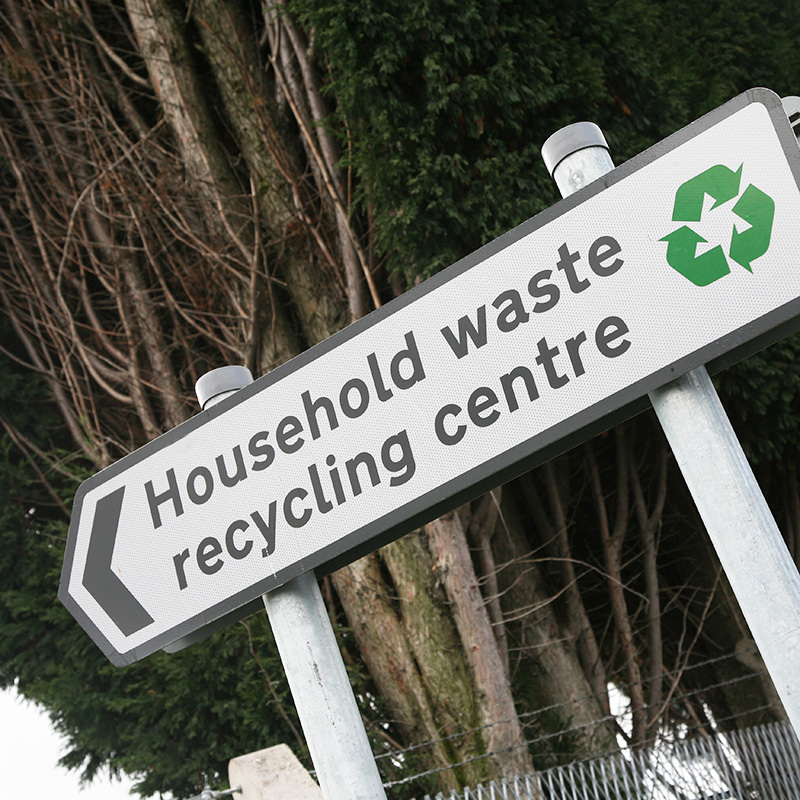
Household Waste Recycling Centres (HWRCs) are typically seen as the final destination for unwanted goods — a place where old items go to be disposed of, dismantled or destroyed. But what if they became something much more? What if, instead of marking the end of a product’s life, these centres offered a new beginning? At The Appliance Recycling Group, we believe HWRCs could play a far greater role in the UK’s reuse economy. In particular, there’s a major opportunity around electrical items — a category often overlooked despite its considerable potential.

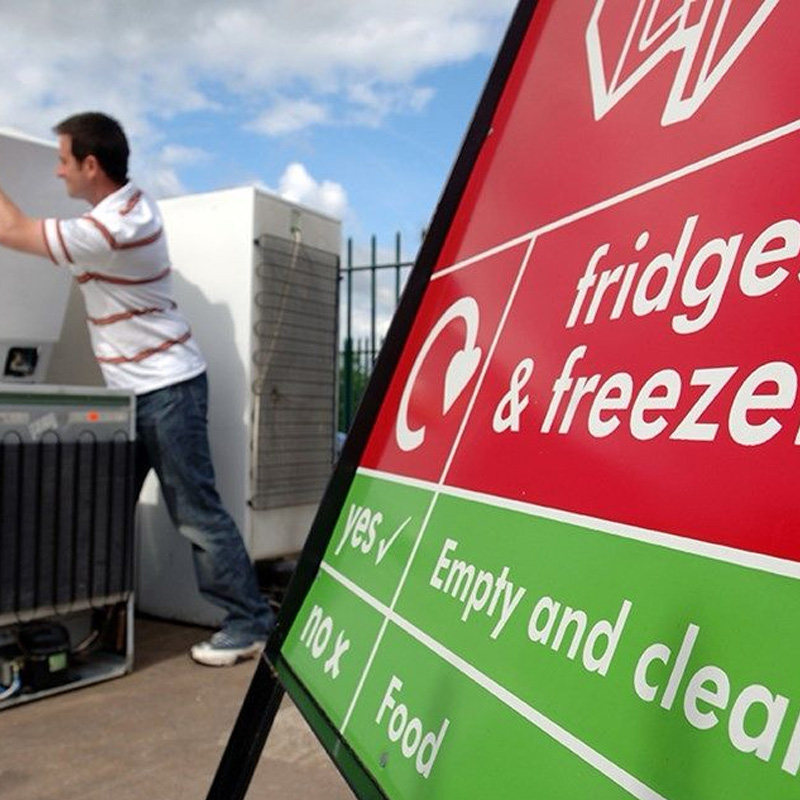
These items frequently fall into what we call the “value gap.” They’re not in high enough demand to sell profitably on consumer marketplaces like eBay, yet they’re still far too functional, too intact and too valuable to be sent for disposal. Functional washing machines, fridge freezers and microwaves — many of which require minimal refurbishment — are all examples of appliances that routinely get discarded when they still have plenty of life left in them. From a commercial perspective, there are clear challenges. VAT, delivery fees, platform commissions and return costs can make it difficult to turn a profit from reselling lower-value appliances online. However, with the right partnerships in place — including logistics, local authorities and retail outlets — the business model becomes viable again. And that changes everything.
It raises an important question: would people be willing to buy their next home appliance from a council-run HWRC? Is it time we reimagine the role of these sites, from disposal hubs to trusted reuse retail centres? We think so. And it seems the market is catching on. UK reuse operators are increasingly well-equipped, both technically and operationally, to deliver safe, tested, and warrantied appliances back into circulation. What they need is support — access to goods, consistent policy backing, and more ambitious collaboration from local authorities.
Currently, the reuse sector captures only a fraction of what it could. But with meaningful access to HWRC stock and council partnership, there’s a circular economy business case worth at least £50 million a year — and that figure is rising as public demand for sustainable, affordable options continues to grow. So the real question becomes: will local authorities seize this opportunity? Will they take steps to back commercial reuse operators by enabling access to electricals that would otherwise go to waste? And are they ready to share in the environmental and economic gains that follow?
At The Appliance Recycling Group, we see a future where reuse is not a fringe activity but a mainstream supply chain. One where appliances get a second life, and councils play a central role in delivering low-cost, low-carbon solutions to their communities. The demand is there. The expertise is ready. What’s needed now is the vision — and the will — to turn yesterday’s waste into tomorrow’s resource.